Full microbiome mapping with results and insights you can trust - designed to evaluate a range of systemic health issues.
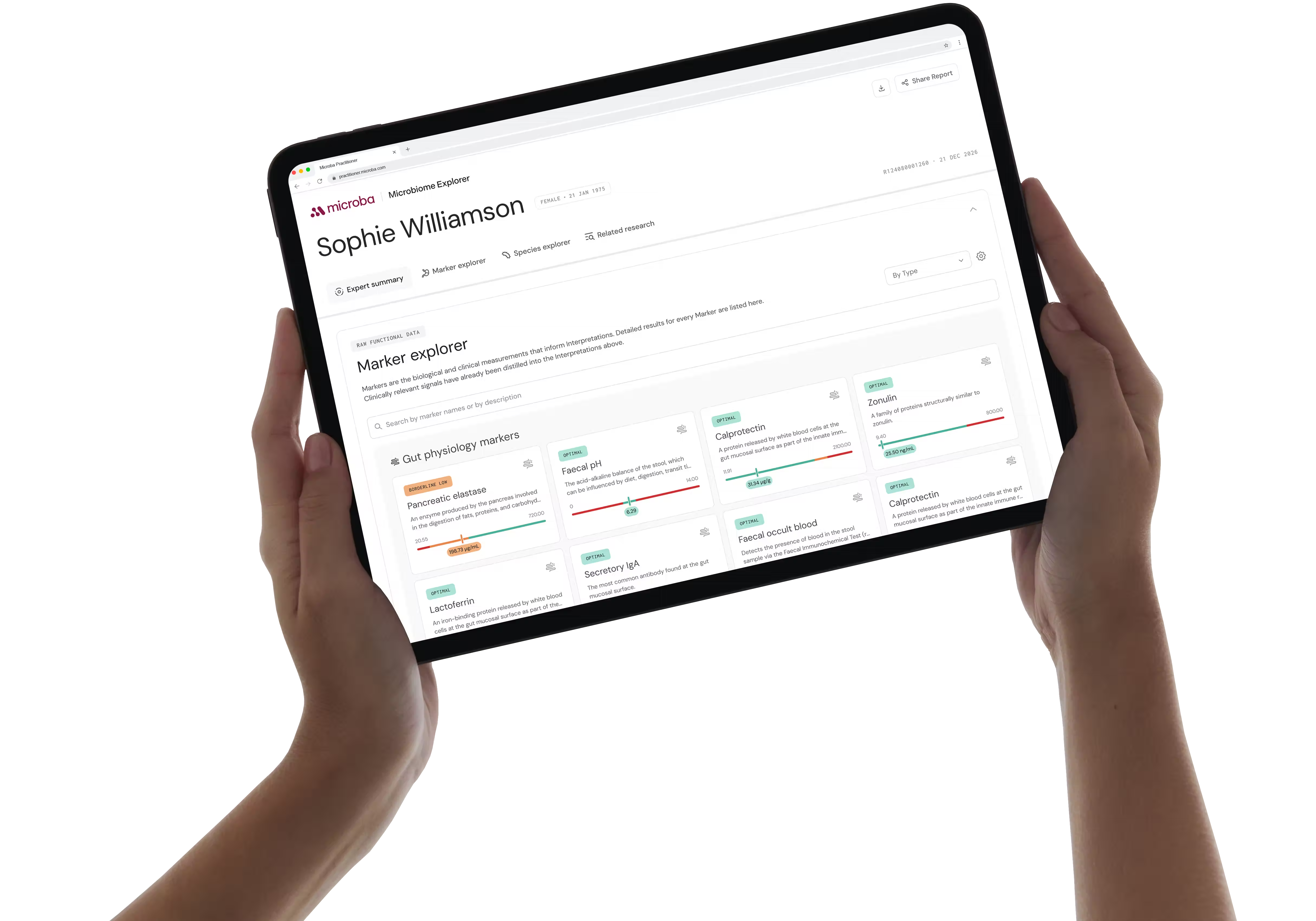
Features
See the whole picture of the complex digestive
system with our clinical-grade microbiome tests

Comprehensive coverage
Full microbiome ecosystem mapping, gut physiology panel & pathogen screening - all in one test.
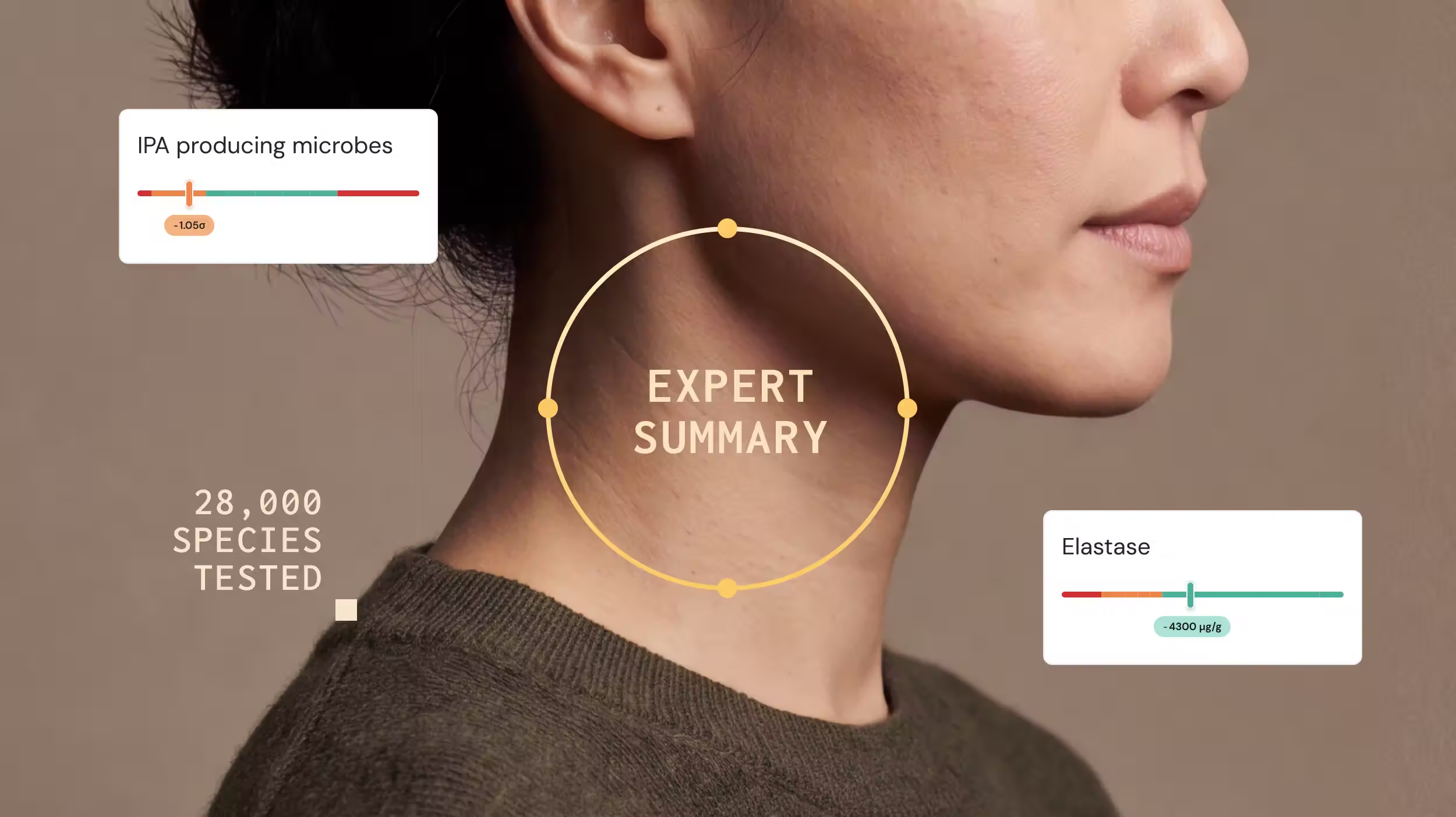
Evidence-based insights
Microbiome research moves quickly. Effortlessly make confident decisions with evidence-based, actionable insights.


Accurate lab results you can trust
Sample collection to lab assays to bioinformatics, our workflow is carefully designed and operated to make sure your patients get the most precise measurements.

Tools built for collaborative care
Refer and access our tests from an easy web portal. Share the live interactive report with allied health practitioners and family members to give patients the support they need.

Choose your level of analysis
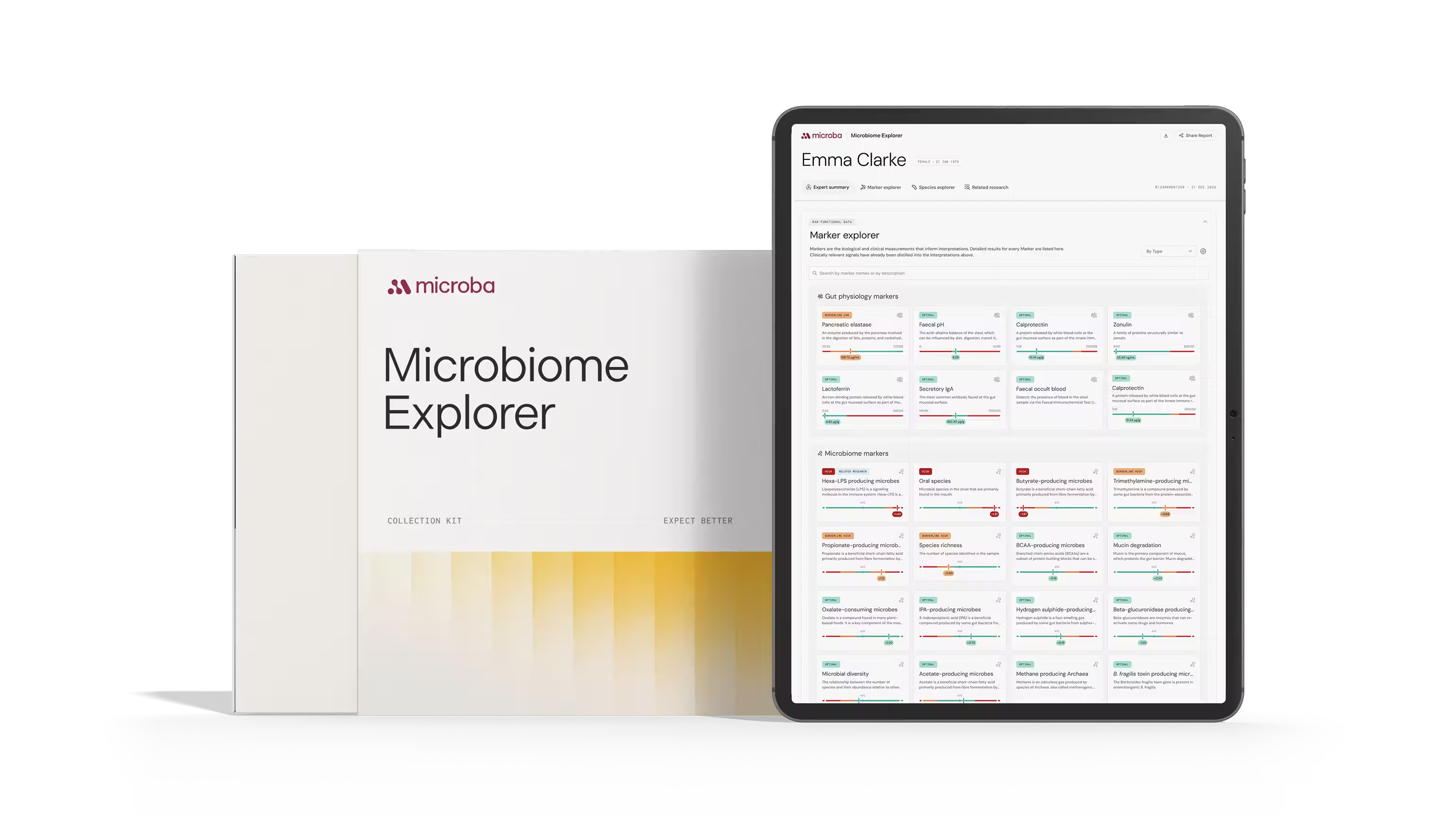
Microbiome Explorer
Essentials
For when the relationship between the microbiome and general health is the focus.
Inclusions

19+ Microbiome Markers
Microbiome Explorer
Extended
For when gut dysfunction is suspected.
Inclusions
19+ Microbiome Markers

8+ Gut Physiology Markers
Microbiome Explorer
Comprehensive
For when gut dysfunction and/or pathogens are suspected.
Inclusions
19+ Microbiome Markers
8+ Gut Physiology Markers

19+ Pathogen Markers
Explore the markers
See the individual microbiome, gut physiology and pathogen markers available across Microbiome Explorer
Microbiome Markers (19)
•
Acetate-producing microbes
•
Ammonia (urease)-producing microbes
•
B. fragilis toxin-producing microbes
•
Beta-glucuronidase producing microbes
•
Butyrate-producing microbes
•
3-indolepropionic acid (IPA)-producing microbes
•
Hydrogen sulphide-producing microbes
•
Lactate-producing microbes
•
Methane-producing Archaea
•
Microbial diversity
•
Hexa-acylated lipopolysaccharide (hexa-LPS)-producing microbes
•
Branched-chain amino acids (BCAA)-producing microbes
•
Microbial richness
•
Mucin-consuming microbes
•
Oral species
•
Oxalate consuming microbes
•
Propionate producing microbes
•
Trimethylamine (TMA) producing microbes
Gut Physiology Markers (8)
•
Faecal occult blood
•
Calprotectin
•
Human DNA
•
Lactoferrin
•
Pancreatic elastase
•
Secretory IgA
•
Zonulin family peptides
•
Faecal pH
Pathogen Markers (19)
•
Aeromonas spp.
•
Blastocystis spp.
•
Campylobacter spp.
•
Clostridium difficile toxin B
•
Cryptosporidium spp.
•
Cyclospora cayetanensis
•
Dientamoeba fragilis
•
E. coli O157
•
Entamoeba histolytica
•
Enteroaggregative E. coli (EAEC)
•
Enteropathogenic E. coli (EPEC)
•
Enterotoxigenic E. coli (ETEC)
•
Giardia lamblia
•
Hypervirulent Clostridium difficile
•
Salmonella spp.
•
Shiga toxin-producing E. coli
•
Shigella spp./EIEC
•
Vibrio spp.
•
Yersinia enterocolitica

Chronic bloating, constipation, and food reactivity
Long-term bloating, constipation, and food sensitivities made daily life difficult. Microbiome Explorer revealed microbial and digestive imbalances that had gone undetected, helping to guide integrative care strategies.

Persistent constipation with overlapping pelvic symptoms
Ongoing constipation and bloating continued despite years of treatment. Microbiome Explorer uncovered microbial drivers and pointed to the need for further investigation into pelvic health factors.

Immune-related health challenges without gut symptoms
Despite no persistent gut symptoms, testing revealed inflammation, barrier disruption, and microbial drivers linked with broader immune-related health concerns. Microbiome Explorer insights guided simple steps to support resilience.
Join over 4,000 practitioners

Microba tests are better than just a list of microbes
Microbiome Explorer gives you the insights you need for better care.
Heading
Comprehensive
Comprehensive
Comprehensive
Comprehensive
Comprehensive
Comprehensive
Comprehensive
Comprehensive
Comprehensive
Comprehensive
Comprehensive
Comprehensive
Comprehensive
Comprehensive
Comprehensive
Comprehensive
Comprehensive
Comprehensive
Comprehensive
Comprehensive
Comprehensive
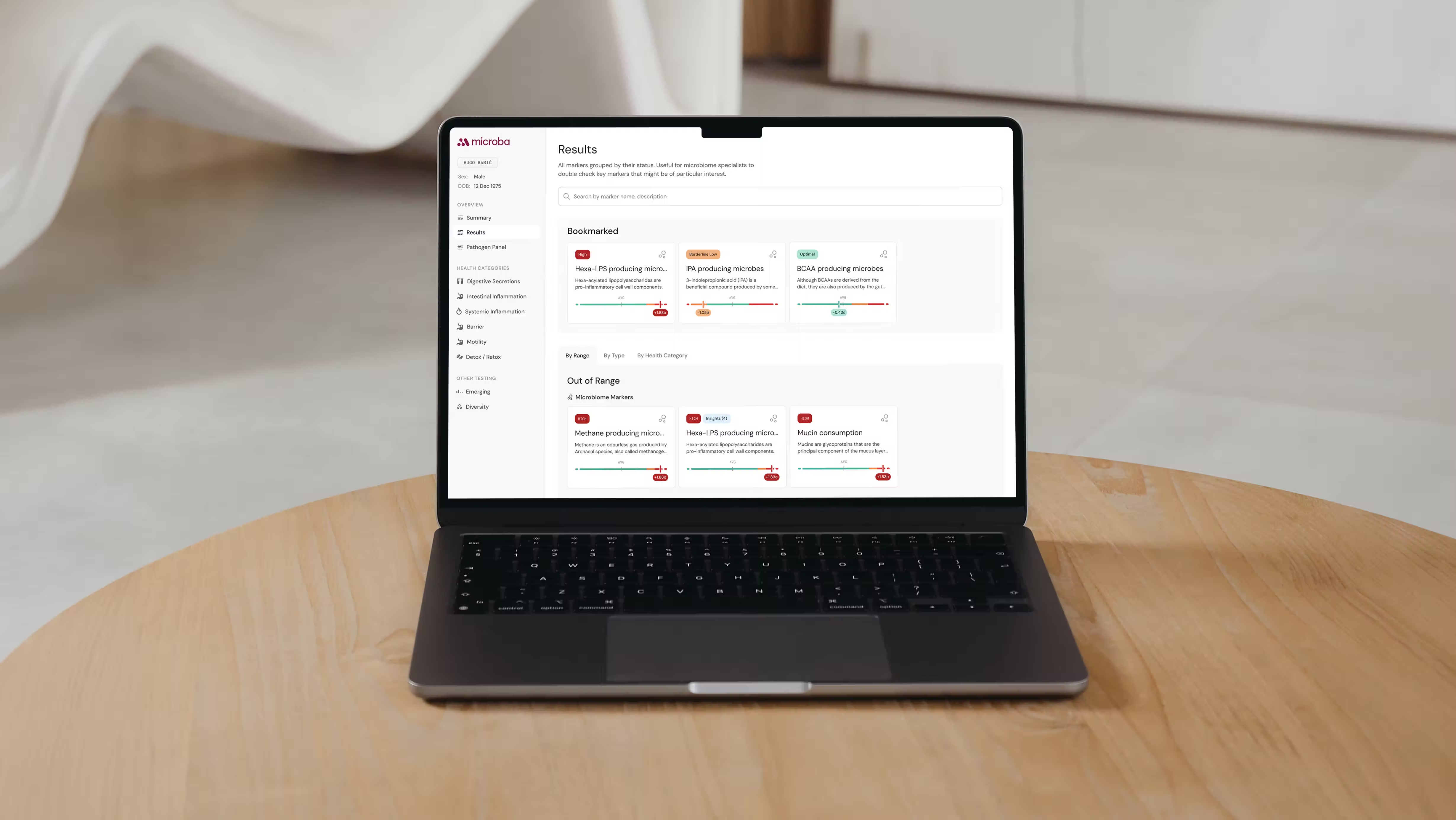
Better science exists.
Your patients deserve it.

01
Seeking out specific species in a test is like missing the wood for the trees.
The links between any specific species and their affect on health is complicated and nuanced. Has your understanding of the microbiome kept up?

02
Targeting specific species for treatment is like pulling the wrong Jenga block.
Once you understand the entire Microbiome, it becomes clear that the key to Microbiome health is carefully restoring the delicate balance of the whole ecosystem. The focus becomes feed, feed, feed - not weed, seed, feed.
Article Coming Soon

03
Outdated microbiome tests only show you the tip of the iceberg.
One sample, one test - all the data you need to see the full picture.
Article Coming Soon

04
Not all metagenomic tests are created equal. Imposters make critical errors that can harm care.
While other labs might claim that they use the “same technology”, the implementation and rigor between tests differ wildly.
Better care in just a few steps
From referral to report, we’re with you every step of the way.
01
Refer a test
Use the Microba Practitioner App to quickly order a test. You can choose if the patient pays or if your clinic pays as part of a holistic care package.
02
Sampling & return
Your patient will receive an easy-to-use at-home sample collection kit in the mail. It will guide them through collecting a sample and returning it to our lab.
03
Review results
You’ll get an email once the interactive report is ready. Book another patient consultation to walk them through the results.
04
Report support
Book a time with one of our Clinical Application Specialist for report interpretation support or guidance on complex cases.
Resources
We’re here for you every step of the way — with simple guides, helpful tools, and practical resources to support your journey to better care.

Clinical Guides
Level up your Microbiome expertise over 50+ clinical resources, patient handouts, and recipes.
Clinical guides
Evidence-backed guides
Interpretation guides
Step-by-step support for navigating our reports
PATIENT GUIDES
Handouts and resources

Case Studies
Real cases. Real complexity. Better insights from Microbiome Explorer.

Case Study #1
Chronic bloating, constipation, and food reactivity

Case Study #2
Immune-related challenges without gut symptoms

Patient Handouts
Explore patient guides and tools to help you take the next step toward better health.
Patient Handouts
Explain results and provide guidance for next steps in care
Interpretation guides
Step-by-step support for navigating our reports
Recipes
Simple, microbiome-friendly recipes
Related FAQs
Find answers to the questions we hear most often. From our technology and products to accreditation, partnerships and the future of Microba.
Can I still send my Insight sample back?
What is Microbiome Explorer Essentials?
Do Microba Microbiome Explorer kits have an expiry date?
What is Microbiome Explorer Comprehensive?
What is Microbiome Explorer Extended?
Are other products in the Microbiome Explorer range available in the UK?
Does Microbiome Explorer test for SIBO?
Does Microbiome Explorer test for H. pylori?
Are Microba Microbiome Explorer services available outside Australia?
What are the different types of kits available?