What is the
gut microbiome
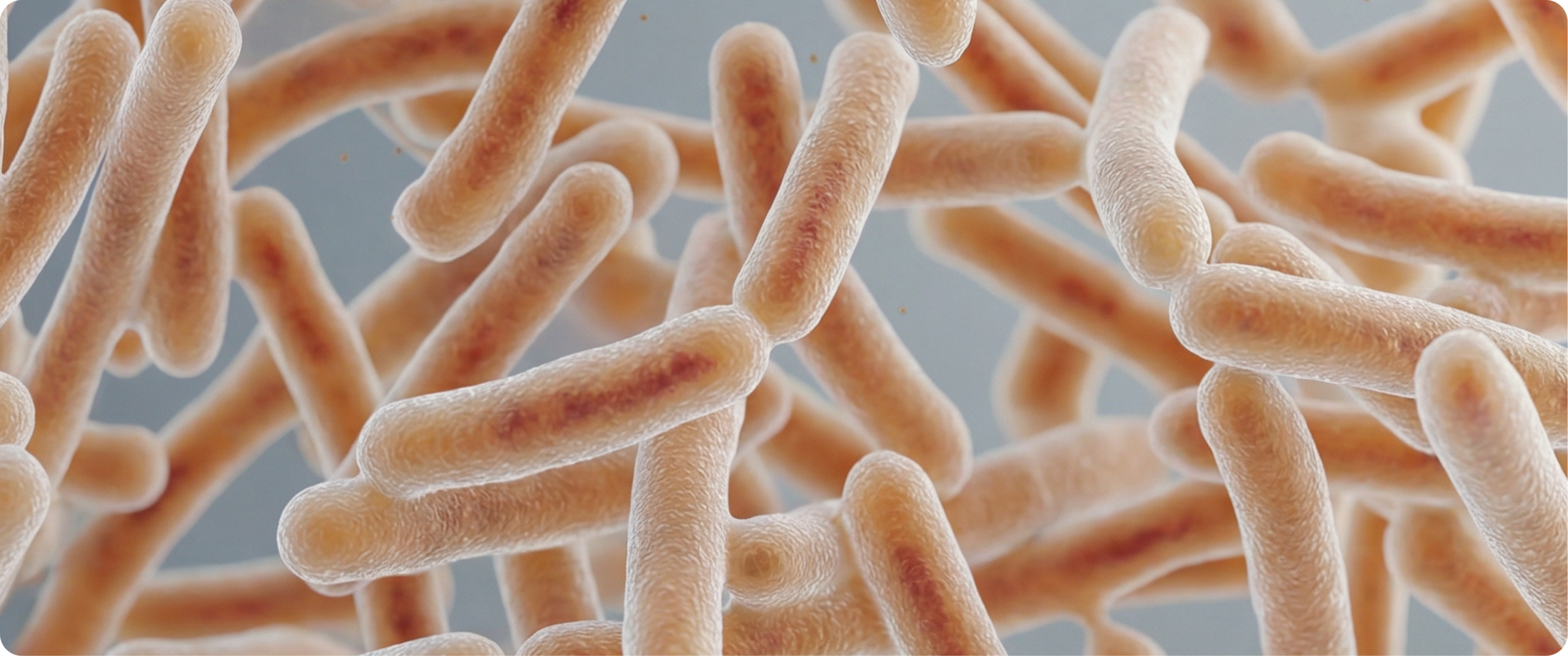
The gut microbiome is the community of microorganisms, together with their genes and metabolic functions, that live in the gastrointestinal tract. While microbes exist across multiple body sites, the gut microbiome is the most extensively studied because of its density, diversity and metabolic activity. The gut microbiome is best understood as an ecosystem: a living community of many different microbes that interact with each other and with the human body.
The gut microbiome is
a measurable biological system
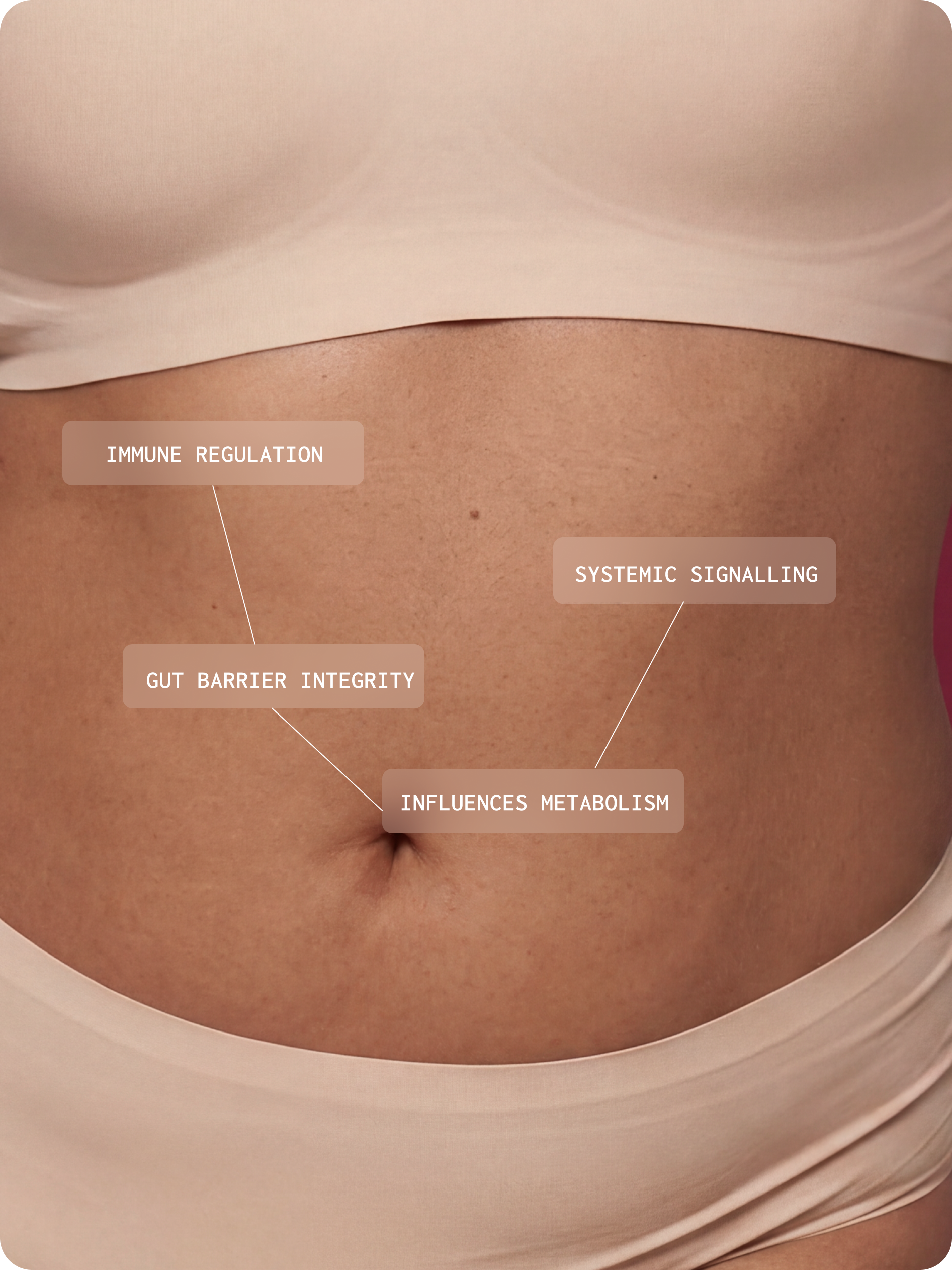
The gut microbiome is a dynamic biological system that is essential to normal human physiology, influencing immune regulation, gut barrier integrity, metabolism, and systemic signaling1.
It is a clinically relevant biological system with meaningful implications for complex and multi-system presentations.
The gut microbiome is composed of diverse microbial communities
The gut microbiome is a diverse community of microorganisms that actively shape gut function through metabolism, competition, and interactions with the immune system and gut lining. This community includes:
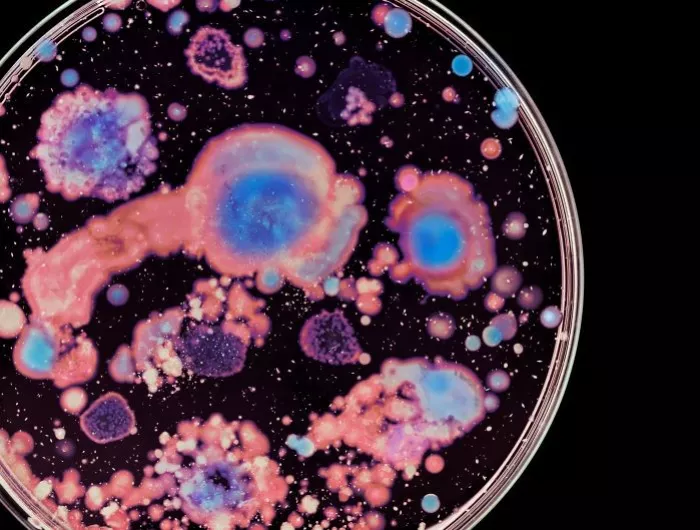
Bacteria
Archaea

Viruses

Fungi
Microbial interactions are shaped by balance, not fixed labels
The nature of these interactions is not fixed, it depends on the gut environment and overall ecological balance. These interactions generally fall into four categories:
COMMENSAL
Present without measurable benefit or harm to the host.
MUTUALISTIC
Contributes positively to metabolism, immune regulation or barrier integrity.
OPPORTUNISTIC
Typically neutral, but may cause harm when ecological balance shifts.
PHATHOGENIC
Capable of causing disease or disrupting normal function.
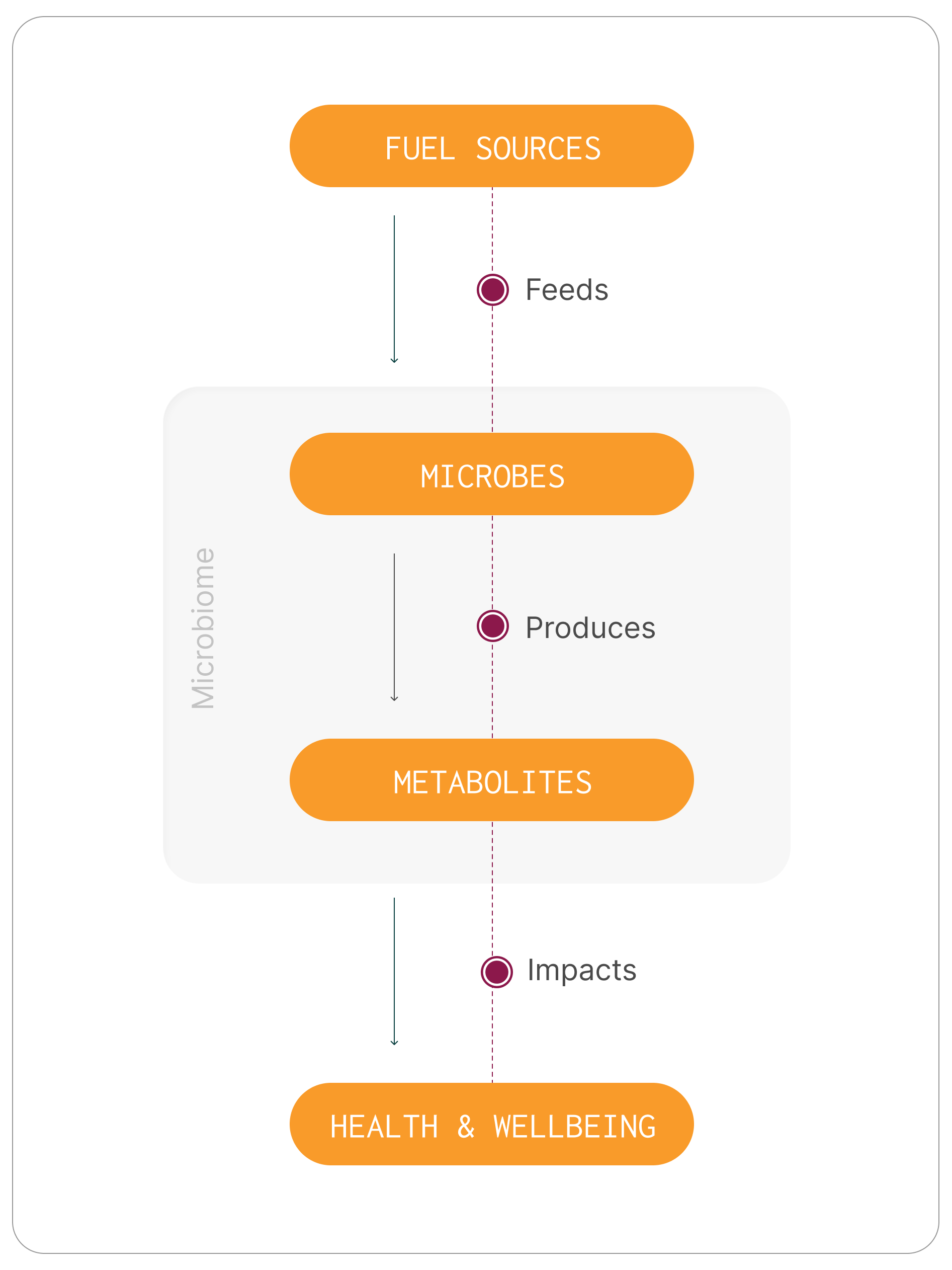
Microbes convert fuel into compounds that influence health
Gut microbes feed on available substrates including dietary fibre, proteins and host-derived compounds and convert them into metabolites that interact with body systems.1,2 What they produce depends on which microbes are present, the functional pathways they carry, and the fuel sources available to them.
There’s more to explore
Read the full guide to microbiome structure, function and clinical interpretation.
The microbiome influences health through four key pathways
Microbes influence human physiology through the compounds they produce and the signals they generate. These microbial metabolites interact with immune pathways, support gut barrier integrity, and contribute to broader metabolic regulation.
Metabolism
Microbial metabolites influence energy use, lipid processing and systemic metabolic balance
Immune regulation
The gut microbiome helps regulate immune responses and maintain immune balance
Gut barrier function
Microbial activity supports epithelial integrity.
Gut–brain & systemic signalling
Microbial compounds contribute to systemic signaling by influencing immune, hormonal, neural pathways beyond the gut, including gut–brain communication
The microbiome functions as part of human biology — not separate from it.
It’s not enough to know which microbes are present, you need to know what the ecosystem is doing
Microbiome species vary widely between individuals, yet different species can produce the same essential metabolites. Two people with very different microbial profiles may share comparable functional output.
This is why clinical insight increasingly focuses on metabolic activity, such as butyrate production, rather than species detection alone.

Microbiome insight adds a systems-level lens to clinical care.
The microbiome interacts with multiple biological systems simultaneously, it can provide additional interpretive insight in chronic and complex cases.
In multi-system presentations not fully explained by traditional markers, understanding microbial function adds a broader systems-level perspective.
In multi-system presentations not fully explained by traditional markers, understanding microbial function adds a broader systems-level perspective.
In multi-system presentations not fully explained by traditional markers, understanding microbial function adds a broader systems-level perspective.
Ecological balance: community stability and diversity
Functional pathways: what microbes do, not just which are present
Metabolic output: the compounds produced and their effects
Patient context: immune status, diet, and environment
Key Takeaway
The human microbiome is a measurable biological system that functions as part of normal human physiology. Balance and functional output are more clinically meaningful than species detection. Microbiome composition varies significantly between individuals, and microbiome insight adds particular value in chronic and complex presentations where traditional markers don’t tell the full story.

Lunch and learn series
Build a practical foundation in microbiome science with our new 90-minute online sessions - from what the microbiome is and how we measure it, to what it means in clinical practice.
References:
- Fan Y. & Pedersen O. Gut microbiota in human metabolic health and disease. Nat. Rev. Microbiol. 19 55–71 (2021).
- Koh A. De Vadder F. Kovatcheva-Datchary P. & Bäckhed F. From Dietary Fiber to Host Physiology: Short-Chain Fatty Acids as Key Bacterial Metabolites. Cell 165 1332–1345 (2016).
- Lynch S. V. & Pedersen O. The human intestinal microbiome in health and disease. N. Engl. J. Med. 375 2369–2379 (2016).
- Huttenhower C. et al. Structure function and diversity of the healthy human microbiome. Nature 486 207–214 (2012).
- Jiang Y. Che L. & Li S. C. Deciphering the personalized functional redundancy hierarchy in the gut microbiome. Microbiome 14 17 (2025).
- Tian L. et al. Deciphering functional redundancy in the human microbiome. Nat Commun 11 6217 (2020).