
How Microba’s science and technology enable clinically useful microbiome and gut health testing — the complete scientific and technological foundation.
The gut microbiome
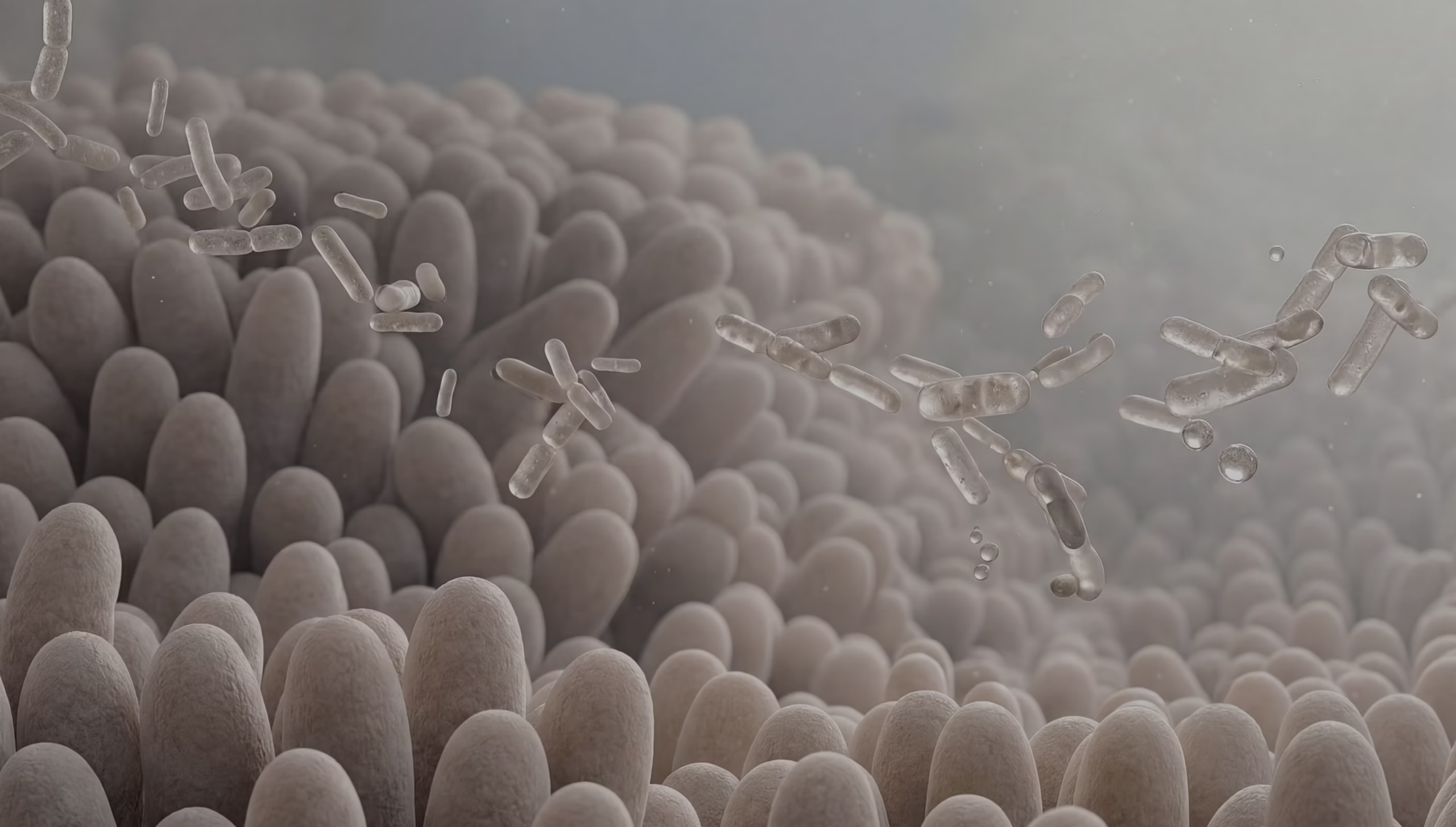
The gut microbiome is not a static collection of microbes, but a dynamic ecosystem shaped by environmental factors, host biology, and interactions within the microbial community itself.
A meaningful assessment of the microbiome looks beyond the presence or absence of individual organisms and instead considers how stable the wider community is, what functions it is performing, and what broader ecological conditions may be shaping those patterns.
Understanding the microbiome in this way shifts interpretation beyond single-species thinking toward a broader understanding of how community structure and function may shape clinical presentation and guide management.
The microbiome is a dynamic ecosystem
The gut microbiome is not simply a collection of individual organisms to be catalogued and managed one by one.
It is a living, dynamic community — a network of bacteria, Archaea, fungi, and viruses interacting continuously
with one another and with the human host.1 Like any ecosystem, it is best understood not through any
single member but through the stability, diversity, and functional capacity of the community as a whole.1,2,3
Looking Beyond Individual Organisms
Clinically, this means moving beyond whether a specific organism is present to understand what the microbial
ecosystem is doing as a whole — how stable it is, how its communities interact, and what these patterns may
reveal about a patient’s health presentation.
Microbiome balance is not defined by the presence or absence of certain organisms, but it is shaped by the following:
Diversity
Functional Capacity
Stability of the Community
The microbiome ecosystem is composed of functional microbial communities
Organisms with pathogenic potential can be present in healthy individuals without causing harm.4
Whether an organism becomes problematic often depends not on its presence alone, but on the surrounding microbial community and host context in which it exists, including factors such as diet and immune status.4,5
In a healthy, diverse microbiome, the community helps maintain its own stability.
Species compete for resources and space, limiting the expansion of any one organism.1
Microbes also shape the gut environment in ways that can help constrain the expansion of potentially harmful organisms, including through nutrient competition, pH modulation, and the production of antimicrobial compounds.6
Why Context Matters
The significance of detecting a potentially harmful organism therefore depends on the condition of the wider ecosystem in which it is found. A resilient ecosystem may keep potentially harmful organisms in check, not necessarily by eliminating them, but through the competitive and metabolic pressures exerted by a diverse, functionally intact community.
The ecosystem keeps potentially harmful organisms ecologically controlled — not through eradication, but through the diversity and functional integrity of the community as a whole.6,7
Colonisation resistance
The significance of detecting a potentially harmful organism therefore depends on the condition of the wider ecosystem in which it is found. A resilient ecosystem may keep potentially harmful organisms in check, not necessarily by eliminating them, but through the competitive and metabolic pressures exerted by a diverse, functionally intact community.
The ecosystem keeps potentially harmful organisms ecologically controlled — not through eradication, but through the diversity and functional integrity of the community as a whole.6,7
Eradication alone does not restore balance
Targeting a particular microbial population may sometimes be necessary but reducing that population alone does not restore the wider ecological conditions that help keep organisms in check. If the surrounding community remains disrupted, another organism may expand into the vacant niche, possibly one that contributes less favourably to the ecosystem overall.7 In turn, functional capacity may remain impaired.
Functional capacity
The collective ability of the gut microbiome to produce metabolites and support biological functions relevant to the host such as short-chain fatty acid production, immune modulation, and barrier support.2 It is a property of the community as a whole, shaped by interactions among organisms rather than any single member alone.

Single-organism thinking has limits
Targeting one organism is unlikely to restore gut health if the broader ecological drivers of dysfunction remain unchanged.
Functional outcomes depend on microbial community cooperation
One of the most important aspects of microbiome ecology is that many important functional outputs emerge from
community interactions rather than from any one organism in isolation.2 Many clinically relevant microbial
activities arise through chains of microbial cooperation, where one species’ metabolic output becomes another
species’ fuel. This process, called cross-feeding,8 is fundamental to how the ecosystem produces many of
the compounds relevant to host physiology.
Interconnected microbial function
Butyrate production is a useful example to illustrate this principle. Fibre-fermenting species can produce
intermediate products, such as pyruvate, lactate or acetate, and other taxa can convert those products into
butyrate. Because overall butyrate output often depends on multi-step community interactions, disruption at
key points in this network may reduce butyrate production capacity.8,9
Different communities, similar functions
Importantly, different microbial communities can achieve comparable metabolic outcomes. This helps explain why
two patients with quite different species profiles can display similar functional capacity.2 Conversely,
functional impairment can persist even when no single causative organism is identified, because the ecological
network that produces health-supporting outputs has been disrupted at the community level.8,9
Interpreting the microbiome in context
The significance of any microbiome finding depends on its ecological context. That context includes at least three important considerations:
Presence alone is not enough
The presence of an organism is only one part of the picture. It does not indicate whether that organism is ecologically constrained or dominant, what functional role it is playing within the ecosystem, or whether it forms part of a stable or destabilising pattern.1
Dominance can change significance
Dominance patterns shape both metabolic output and community stability. The same organism may have very different implications depending on whether it is a member of a diverse community or dominant within a depleted one.1,2
What is missing can matter as much as what is present
Loss of protective organisms or functions can weaken ecological defences, making the microbiome less able to resist opportunistic expansion and maintain stable community function.4,6,7
When community composition shifts health outcomes change
Changes in community composition, host factors, or environmental conditions can alter what the microbiome produces, and those functional shifts may have downstream consequences for the host.
The examples below highlight several ways in which shifts in community structure can translate into changes in metabolic, inflammatory, and barrier-related function.
SCFA Production
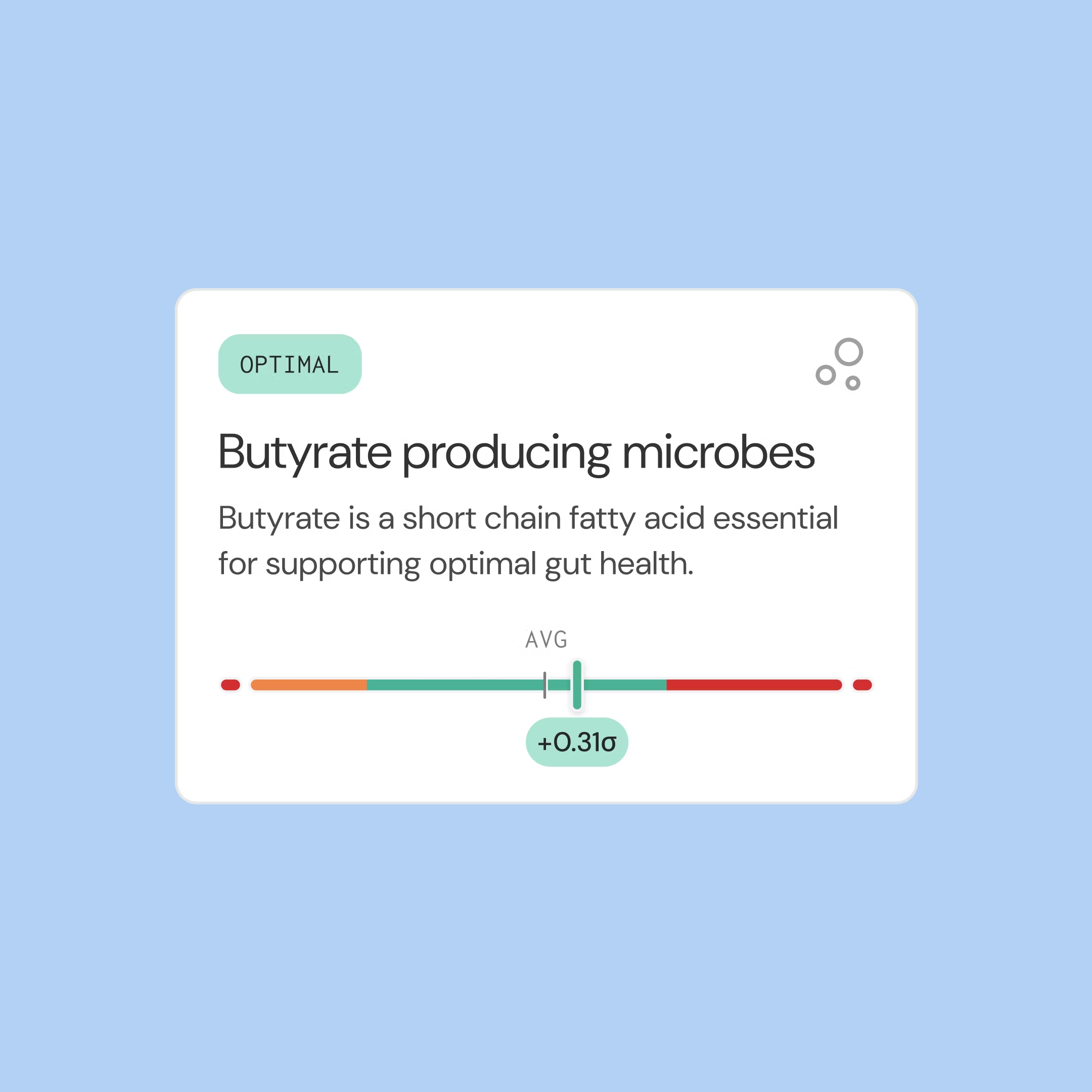
When fibre-fermenting microbial networks are intact, they generate SCFAs that can support key host functions. Butyrate, for example, is an important fuel for colonocytes, and a modulator of gut barrier and immune function. When the cross-feeding network that supports butyrate production is disrupted, butyrate output may fall, with potential downstream effects on colonocyte fuel supply, gut barrier integrity, and immune signalling.
Hexa-LPS Production
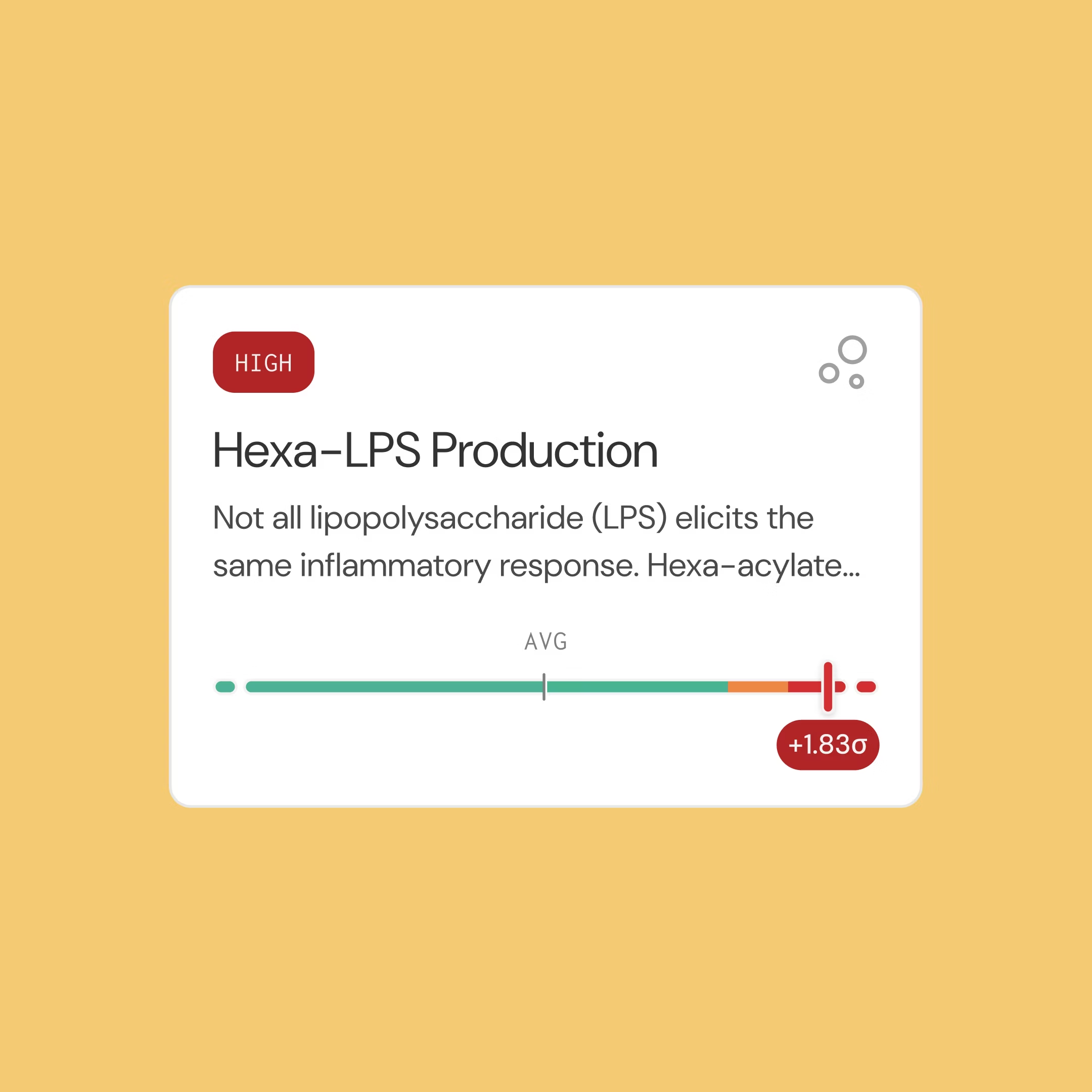
Not all lipopolysaccharide (LPS) elicits the same inflammatory response. Hexa-acylated LPS (or higher acylation), produced by some Gram-negative bacteria, is associated with pro-inflammatory signalling, while under-acylated LPS, also produced by Gram-negative bacteria, is associated with inhibiting pro-inflammatory signalling. Ecological shifts that change the representation of these LPS structures within the community may therefore alter the microbiome’s overall pro-inflammatory potential.
Mucin-degrading activity
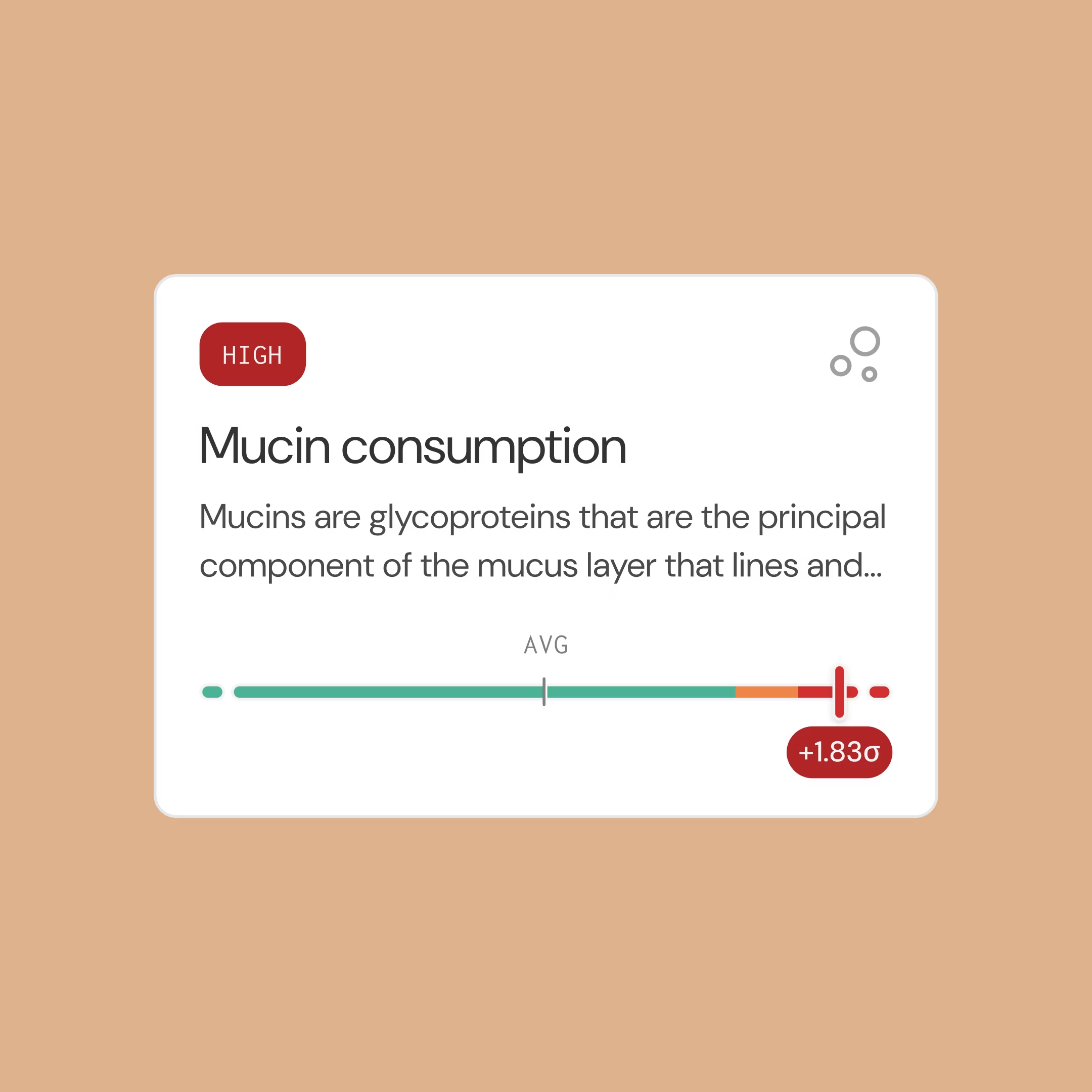
Changes in the abundance or activity of mucin-degrading organisms may, under certain conditions, affect the host’s mucus barrier. Mucin degradation is a normal microbial activity, but where mucin degradation outpaces host replenishment, the mucus layer may thin, increasing epithelial exposure to microbial products and potential inflammatory triggers.
Microbiome balance is individual – not a fixed target
The microbiome is not a self-contained system, but one shaped continuously by its relationship with the host as well as by environmental factors. It reflects and responds to diet, medications, stress load, immune status, sleep, and environmental exposures.2,10,16
For that reason, similar microbial findings can have different implications in different individuals, depending on the host and environmental context in which they occur.2
Microbial balance, therefore, has no universal reference range. It is individual, dynamic, and shaped by the host and environmental conditions in which the ecosystem operates.4,5

The clinical decision making changes when you see the whole ecosystem
Understanding the microbiome as an ecosystem does not make clinical interpretation more complicated. It makes it more accurate -- and more actionable. Seeing the microbiome as an ecosystem changes the kinds of questions that may be useful in clinical interpretation. Instead of focusing only on whether an organism is present, it encourages attention to community patterns, functional output, and ecosystem resilience, and how these may relate to the patient’s presentation. Seeing the microbiome as an ecosystem shifts clinical interpretation beyond whether a single organism is present, toward community patterns, functional output, and ecosystem resilience, and how these may relate to the patient’s presentation.
Traditional question
"What organism is causing this?"
Ecosystem question
"What is this ecosystem doing - and what has shifted in its functional capacity that may be influencing this patient's presentation?"
When you understand the ecosystem, you can support it
In practice, this means assessing microbial patterns rather than isolated species, interpreting functional capacity alongside composition, and considering ecosystem resilience, host context, and environmental influences.
Key takeaways
REFERENCES
- Coyte KZ, Schluter J & Foster KR. The ecology of the microbiome: networks, competition, and stability. Science. 350, 663–666 (2015).
- Human Microbiome Project Consortium. Structure, function and diversity of the healthy human microbiome. Nature. 486, 207–214 (2012).
- Lloyd-Price J et al. Multi-omics of the gut microbial ecosystem in inflammatory bowel diseases. Nature. 569, 655–662 (2019).
- Lozupone CA, Stombaugh JI, Gordon JI, Jansson JK & Knight R. Diversity, stability and resilience of the human gut microbiota. Nature. 489, 220–230 (2012).
- Sonnenburg JL & Bäckhed F. Diet–microbiota interactions as moderators of human metabolism. Nature. 535, 56–64 (2016).
- Sorbara MT & Pamer EG. Interbacterial mechanisms of colonization resistance and the strategies pathogens use to overcome them. Mucosal Immunol. 12, 1–9 (2019).
- Buffie CG & Pamer EG. Microbiota-mediated colonization resistance against intestinal pathogens. Nat. Rev. Immunol. 13, 790–801 (2013).
- Culp EJ & Goodman AL. Cross-feeding in the gut microbiome: ecology and mechanisms. Cell Host Microbe. 31, 485–499 (2023).
- Clark RL et al. Design of synthetic human gut microbiome assembly and butyrate production. Nat. Commun. 12, 3254 (2021).
- Koh A, De Vadder F, Kovatcheva-Datchary P & Bäckhed F. From dietary fibre to host physiology: short-chain fatty acids as key bacterial metabolites. Cell. 165, 1332–1345 (2016).
- D’Hennezel E, Abubucker S, Murphy LO & Cullen TW. Total lipopolysaccharide from the human gut microbiome silences Toll-like receptor signalling. mSystems. 2, e00046-17 (2017).
- Mohr AE et al. Lipopolysaccharide and the gut microbiota: considering structural variation. FEBS Lett. 596, 849–875 (2022).
- Vatanen T et al. Variation in microbiome LPS immunogenicity contributes to autoimmunity in humans. Cell. 165, 842–853 (2016).
- Desai MS et al. A dietary fibre-deprived gut microbiota degrades the colonic mucus barrier and enhances pathogen susceptibility. Cell. 167, 1339–1353 (2016).
- Tiffany CR & Bäumler AJ. Dysbiosis: from fiction to function. Am. J. Physiol. Gastrointest. Liver Physiol. 317, G602–G608 (2019).
- Procházková N et al. Gut physiology and environment explain variations in human gut microbiome composition and metabolism. Nat. Microbiol. 9, 3210–3225 (2024).