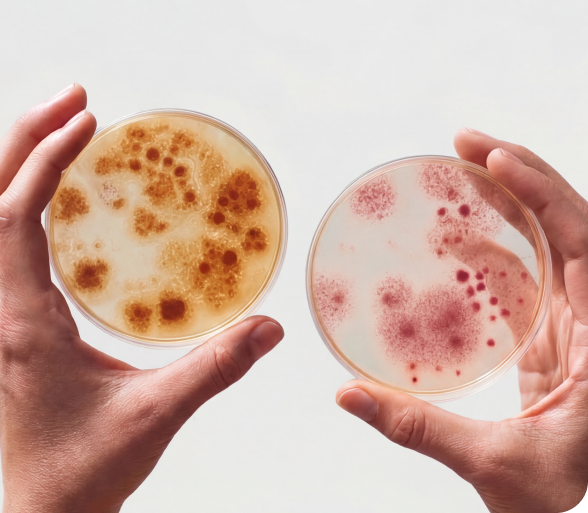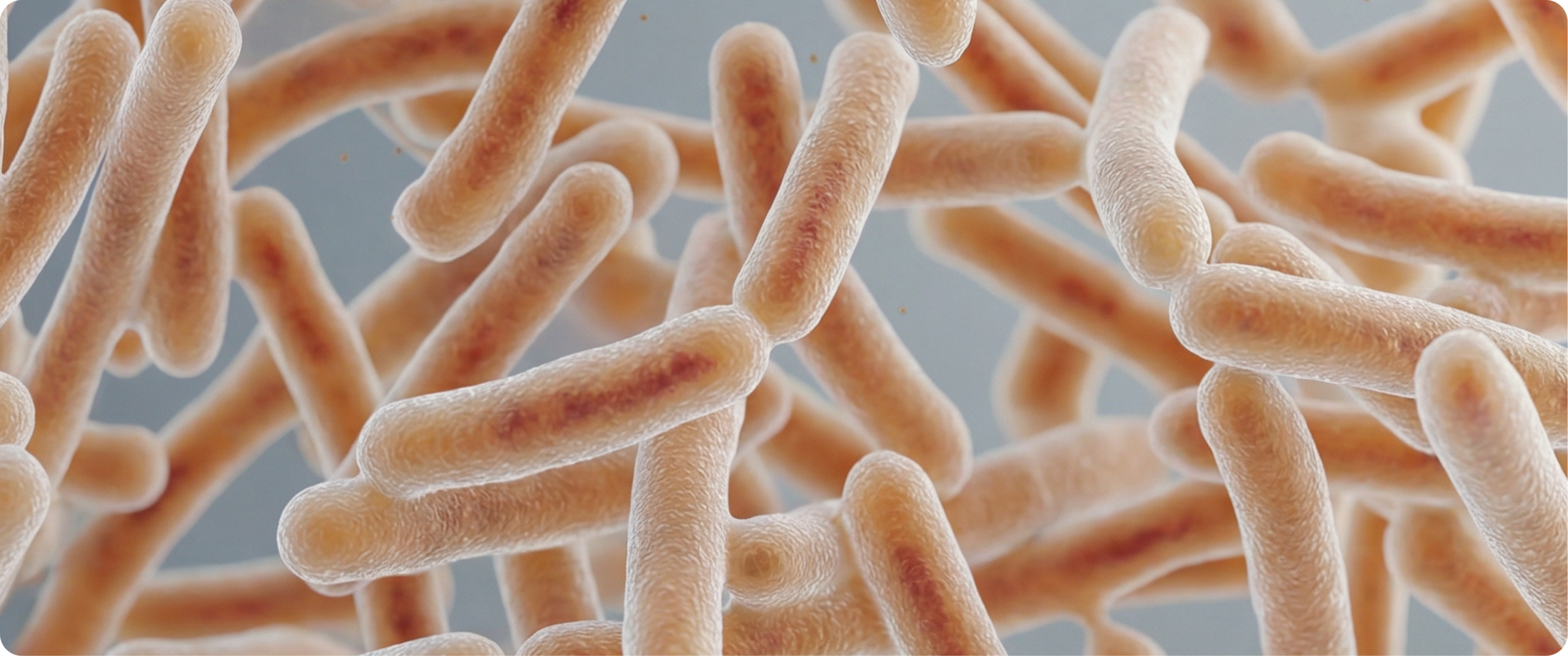
The microbiome is a dynamic ecosystem, not a collection of individual species
Inside every person lives a vast community of microorganisms — mostly bacteria, along with fungi, viruses and archaea, collectively called the microbiome. This community is densest in the gut, especially the colon, where trillions of microbes interact with each other and with their human host. 1,2
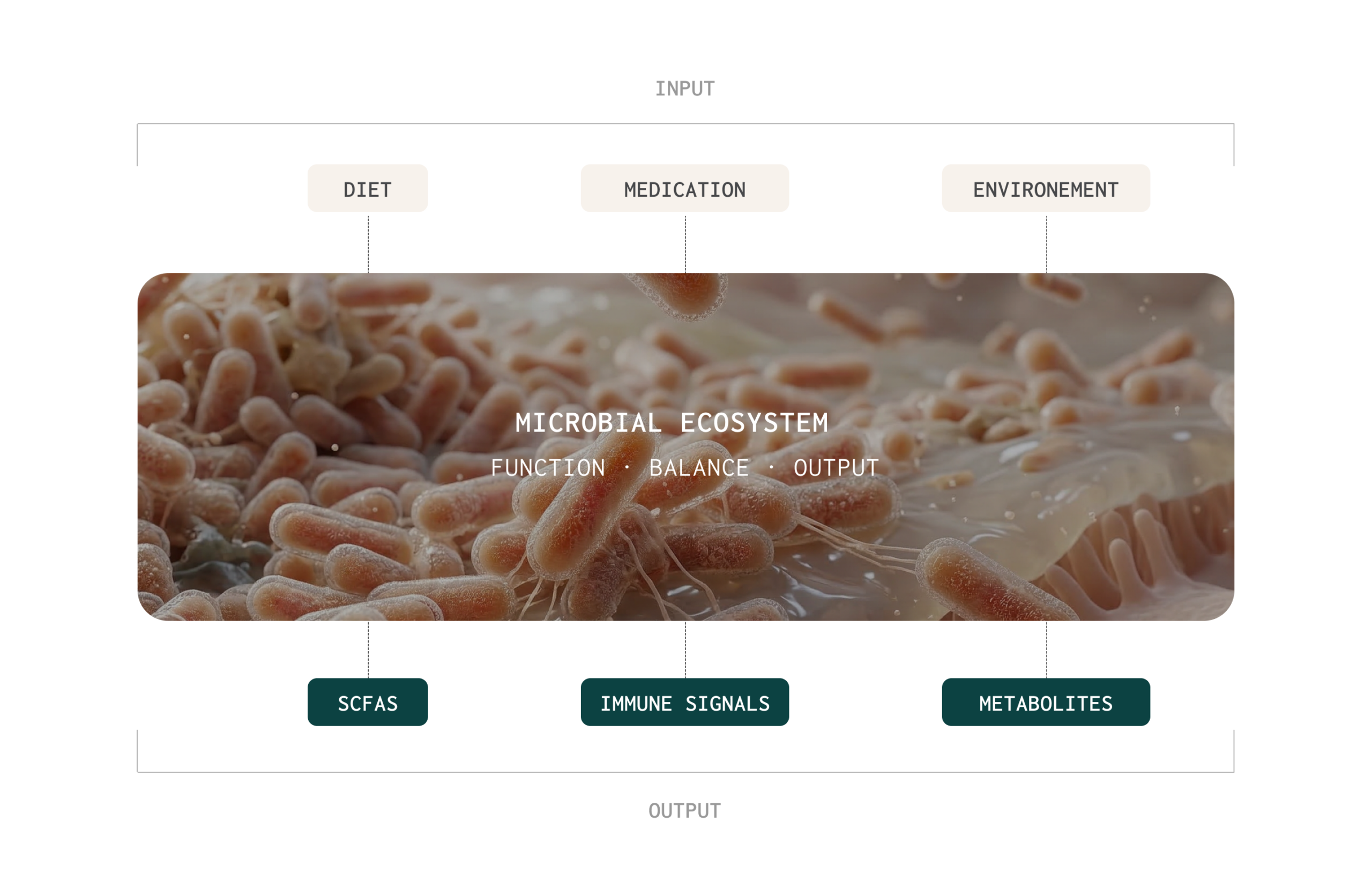
Rather than acting as isolated species, these microbes form an ecosystem that adjusts to diet,
medications, infections, stress and other exposures. The functional profile of this ecosystem
depends on which microbes are present, how they interact, what fuels they receive, the gut
environment, and which metabolic activities are turned on at any given time.3,4
Microbial diversity is the first line of defence against pathogens
In a diverse, well-balanced community, many species compete for space and nutrients, leaving few open niches for potential pathogens to occupy. Beneficial microbes also shape the gut environment to limit pathogen growth — producing acids and short-chain fatty acids that lower luminal pH, generating antimicrobial compounds, maintaining the mucus layer and priming host immunity. 5,6,7
When diversity is reduced — after antibiotics, severe illness or restrictive diets — this protective network can weaken. With fewer competitors and less functional redundancy, opportunistic organisms may gain a foothold.8
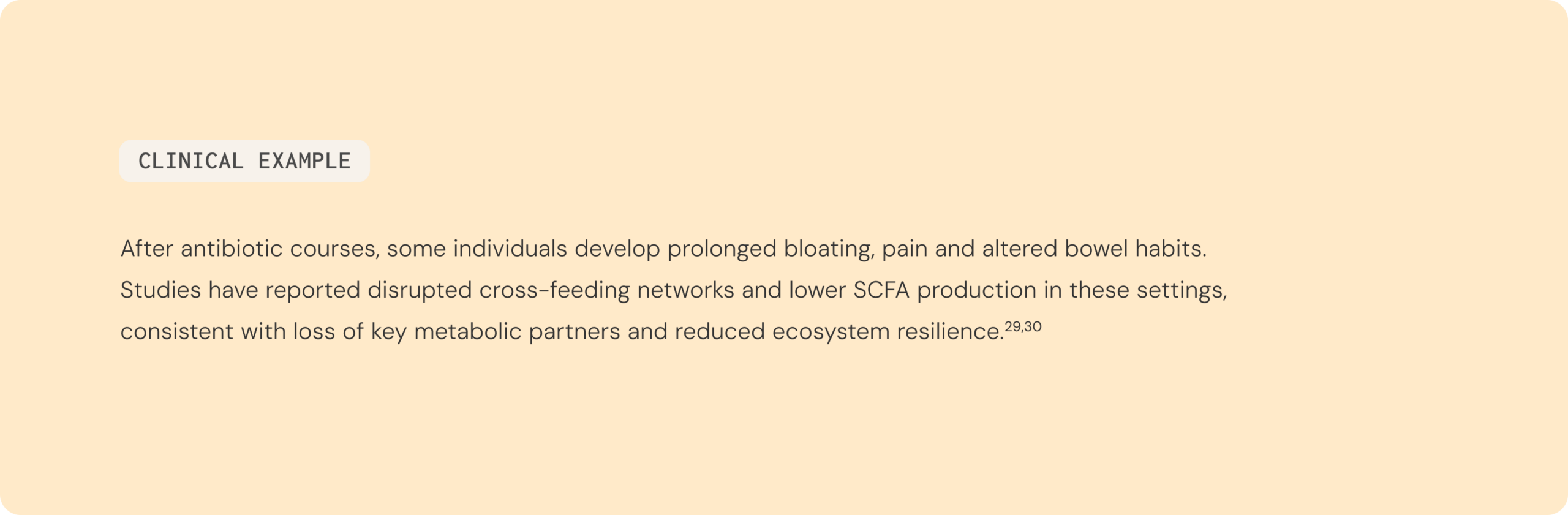
Clinical example
Impaired colonisation resistance has been linked to greater susceptibility to post-infectious IBS following gastroenteritis, with some individuals experiencing long-term symptoms after an acute infection. 9,10

Diet determines what the microbiome produces
Fibre fermentation and health-supporting metabolites
What microbes do is strongly influenced by what they are fed. Many dietary fibres cannot be digested by human enzymes but can be fermented by gut microbes, producing short-chain fatty acids such as acetate, propionate and butyrate — metabolites that support barrier integrity, reduce inflammation and regulate metabolism.11,12
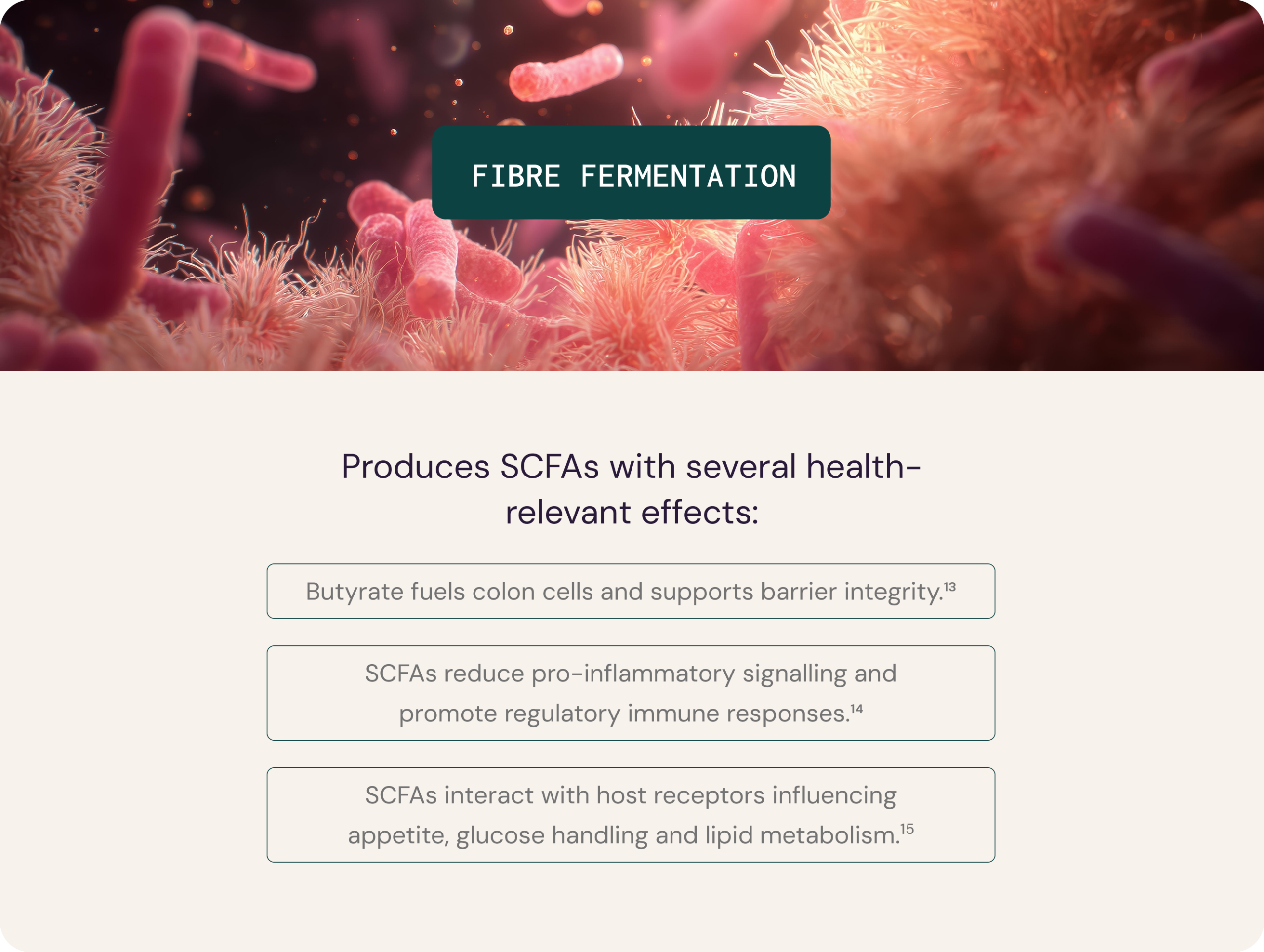
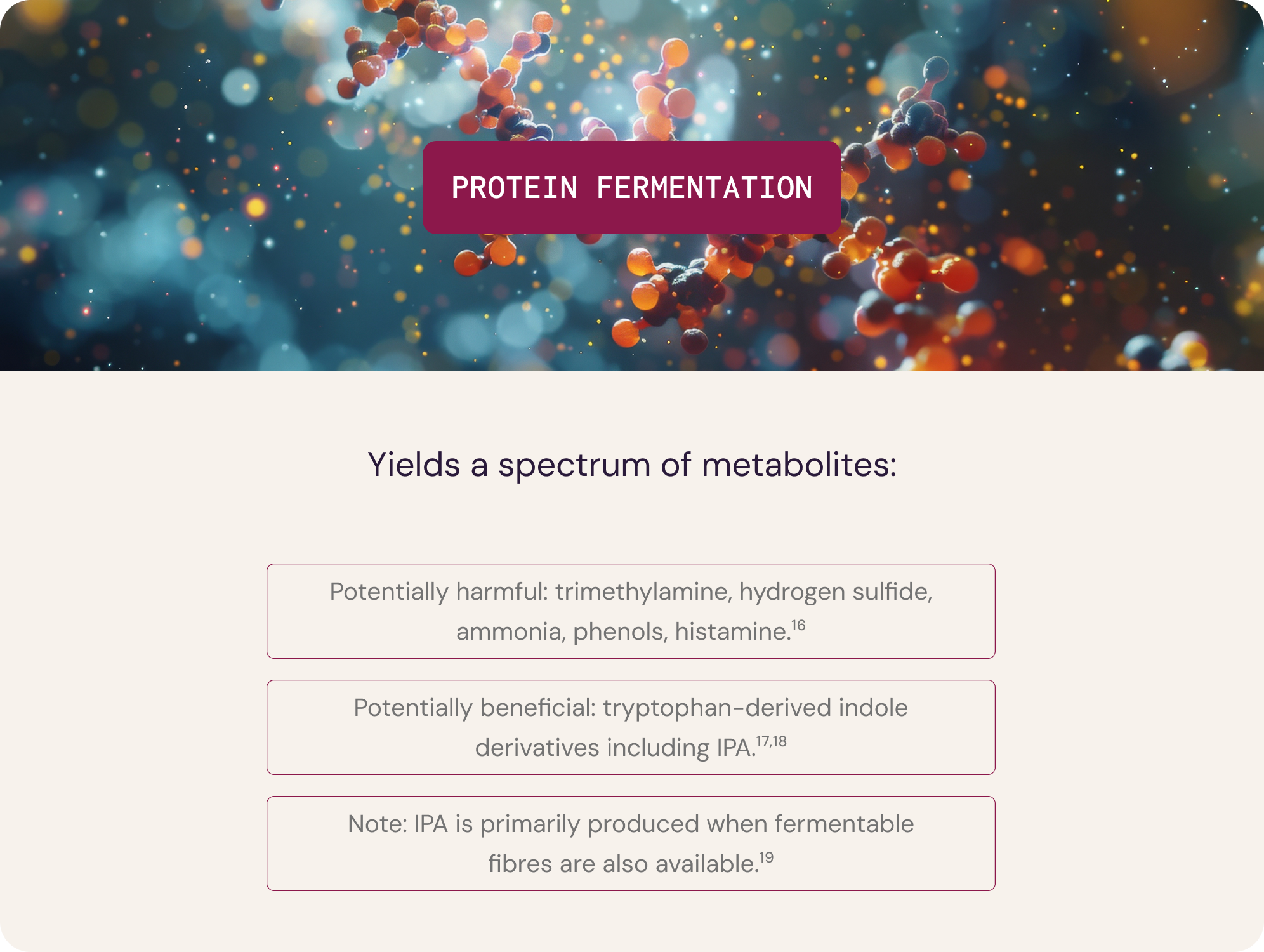
Critically, the gut microbiota is metabolically flexible. Microbes that produce beneficial metabolites from dietary fibre can shift towards less favourable outputs when the diet is low in fermentable carbohydrates and high in protein or fat. The type and diversity of fibre matter as much as total fibre intake.11
Microbial metabolites shape immune function across the lifespan
From birth, the immune system learns to distinguish between threats and harmless exposures. Early contact with diverse microbes supports the development of regulatory pathways that reduce the risk of over-reactive responses. Disruptions in early-life microbial exposure have been associated with increased risk of allergies, asthma, inflammatory bowel disease and autoimmune conditions.21,22,23
In adulthood, the microbiome continues to shape immune tone. SCFAs promote regulatory T cells, tryptophan-derived metabolites modulate innate immune responses, and bacterial cell wall components can trigger or dampen inflammatory signalling. When the microbiome is balanced, these signals usually support a steady, controlled immune state.14,24,25
Clinical example
In oncology, gut microbiome composition has been linked to better or worse responses to
immunotherapy, suggesting microbial immune modulation can influence treatment outcomes.27
Health outcomes depend on microbial cooperation
Cross-feeding and microbial cooperation
Many clinically relevant metabolites are not produced by a single microbe acting alone. Instead,
they arise through cross-feeding, where one species’ metabolic by-products become another
species’ fuel. This distributed architecture also explains how people with very different species
profiles can still display similar functional capacities.28

A community with a robust network of cooperative and competitive interactions tends to be more
stable and resilient in the face of disturbances such as illness, antibiotics or sudden dietary
changes.1
Functional potential only becomes
functional reality when the right conditions align
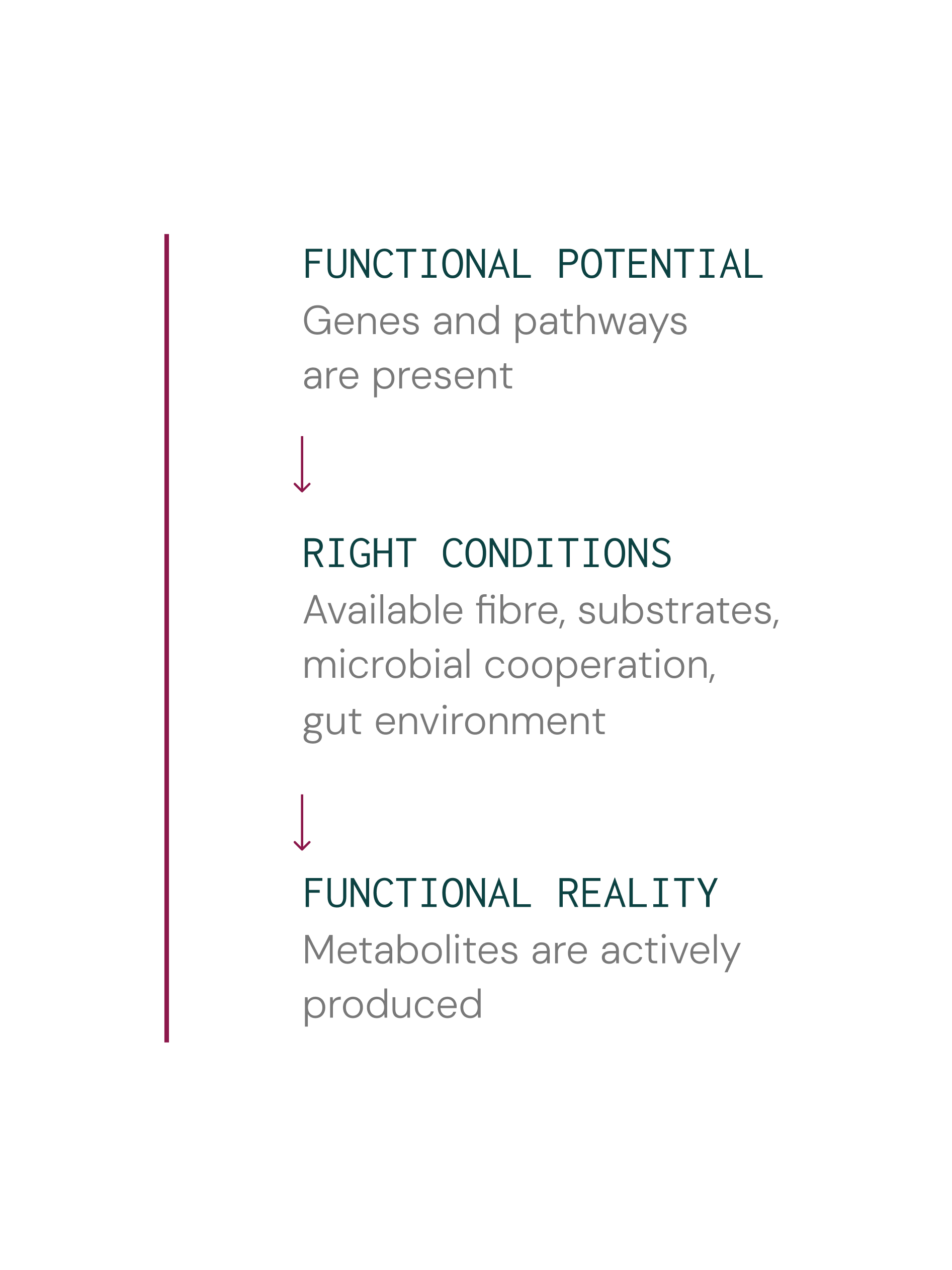
Modern sequencing technologies can estimate the microbiome’s functional potential by identifying
genes and pathways — a valuable starting point. However, this potential must be realised through
the right conditions, and especially fuel source availability.11
Because healthy people can have very different species profiles, it is difficult to define a single “ideal” microbiome based only on who is present. It is more practical to think in terms of functional balance: a state where activities that support health are robust, while pathways that generate potentially harmful metabolites are kept in check.34,35
This is why the same intervention — higher fibre intake, probiotics or medication — may help one person but worsen symptoms in another, depending on microbial functions, dietary context and host factors. Supporting health often means working with the ecosystem: providing the right fuels, avoiding unnecessary disruptions, and using targeted strategies to shift microbial functions rather than chasing individual species.31,32,33
Key Takeaway
The microbiome is a dynamic ecosystem whose functions, not just its composition — shape human health. Diverse communities support colonisation resistance, diet determines metabolic outputs, and health outcomes depend on community cooperation and functional balance rather than individual species.1,3
Functional potential only becomes functional reality when the right fuels and conditions align. A functional, ecosystem-based lens supports more personalised, targeted strategies to maintain or restore health.3,4